Lisbon Day Tours
I’m Serious Day Tour Man AI, your day trip expert. Ask me anything — where to go, how to get there, and what’s actually worth your day.
Lisbon’s headline day trip runs on a rule that catches thousands weekly: Pena Palace’s interior admits you only inside a strictly enforced thirty-minute window, the Lisboa Card doesn’t cover it, and walk-up queues in season run to three hours — the full Sintra strategy is below, because the fairy-tale hill punishes improvisation harder than anywhere in Portugal.
The rest of the radius: continental Europe’s westernmost cliff, a walled town that serves cherry liqueur in chocolate cups, a Roman temple standing whole in cork country, and a limestone coast whose water photographs Caribbean and swims Atlantic. The city block sorts Belém’s pastry line and the tram 28 truth.
Here’s what’s worth a day, with real times and honest trade-offs.

Popular Day Trips
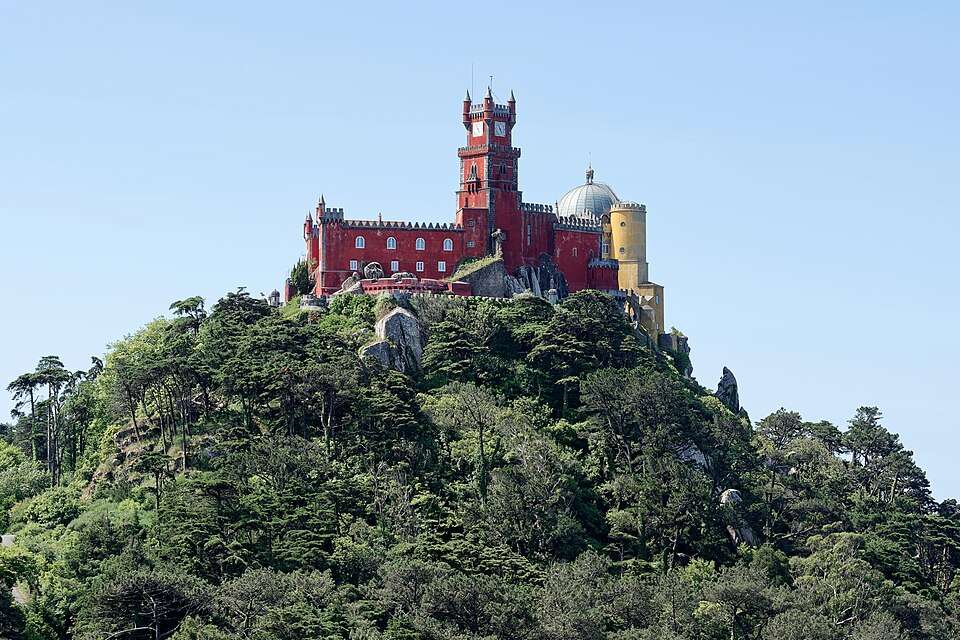
Sintra
Pena Timed Tickets, the 434 Loop
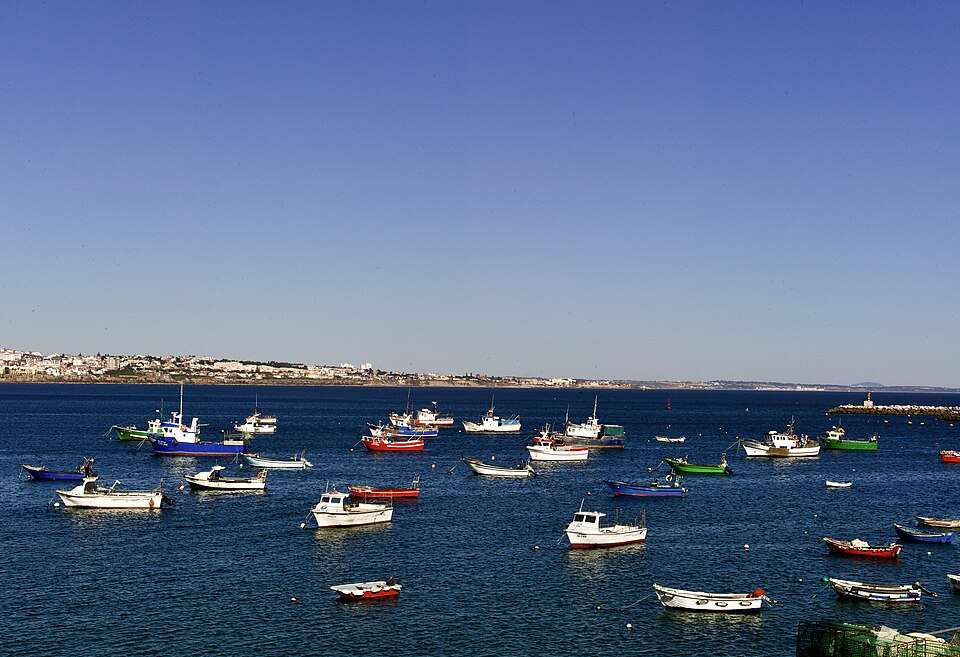
Cascais
The Coastal Train, Boca do Inferno
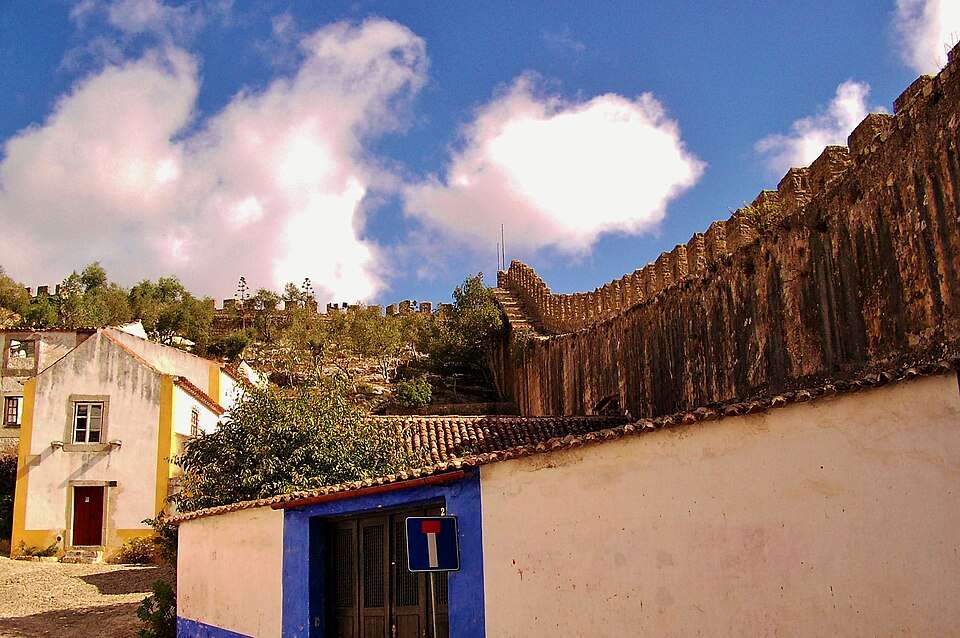
Óbidos
The Hourly Bus, the Wall Walk Without Railings
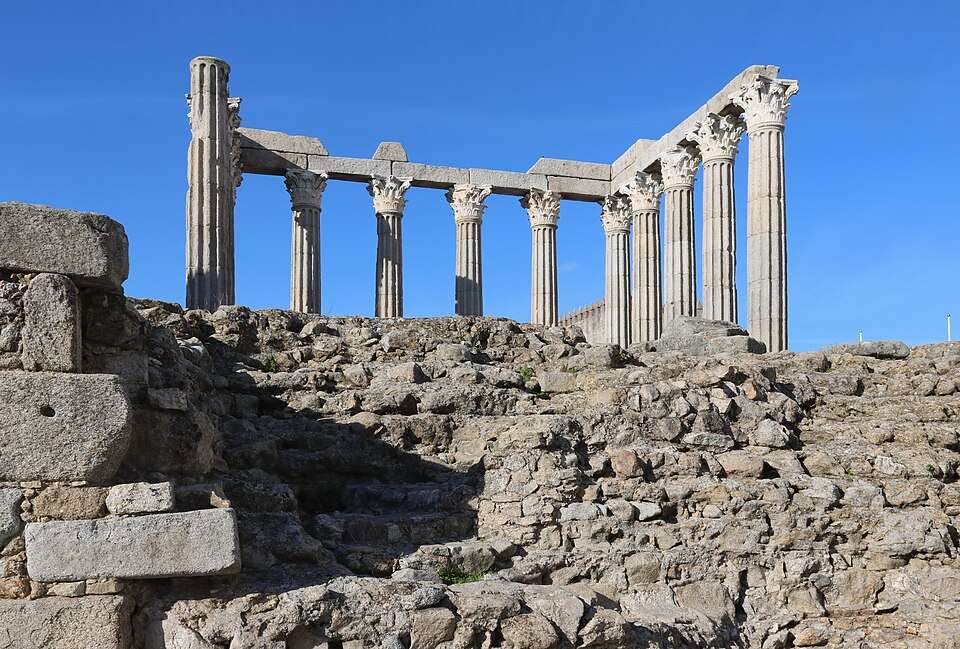
Évora
The Faster Bus, the Chapel of Bones
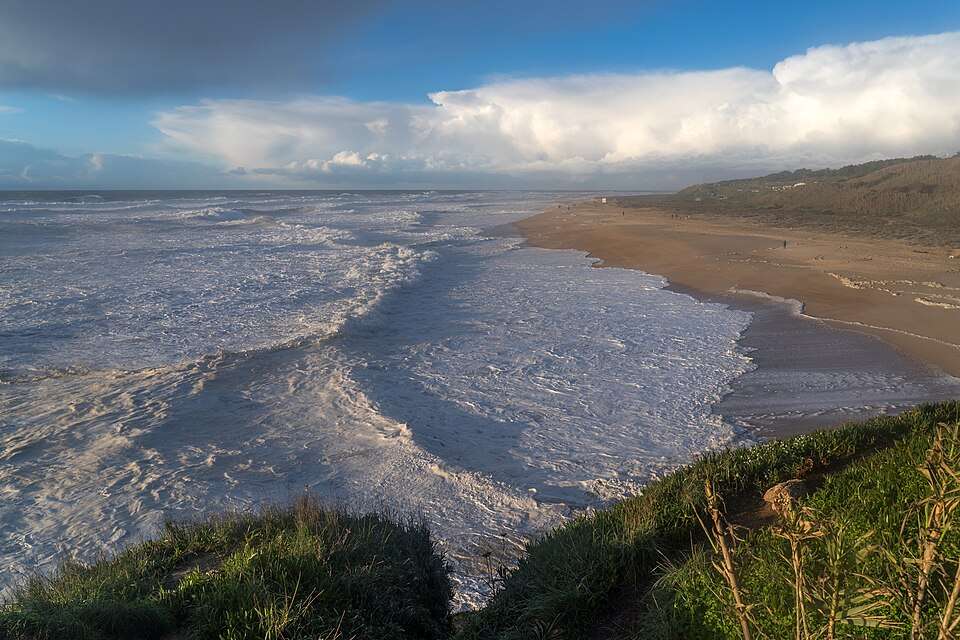
Nazaré
Two Different Towns, the Canyon That Makes the Waves
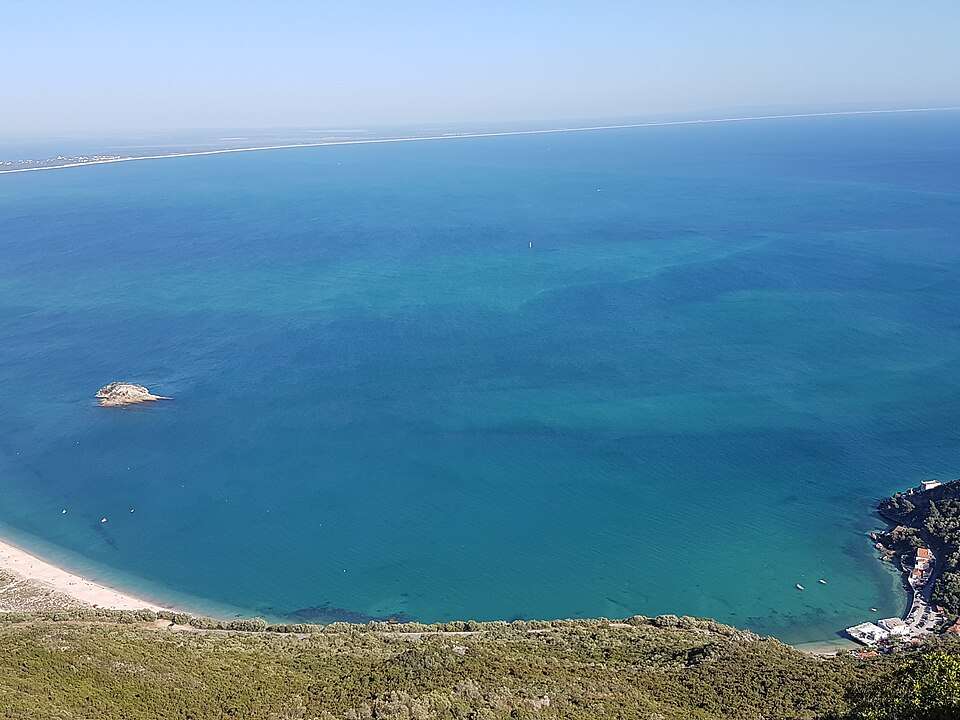
Arrábida
The Summer Shuttle Rule, Resident Dolphins
Sintra Done Right — The Strategy
Forty minutes by train from Rossio, Sintra stacks palaces on a wooded ridge, and the day succeeds or fails on three decisions made in advance. First: book Pena on the official Parques de Sintra site (parquesdesintra.pt) with a timed interior slot — the thirty-minute entry window is enforced, peak morning slots sell out days ahead, and the palace closes Tuesdays; the park-only ticket serves those content with the ramparts and domes from outside. Second: pick two sights, not four — Pena plus one of the Moorish Castle (the rampart walk with the view back at Pena), Quinta da Regaleira (the initiation well and tunnel garden, ticketed separately from the Parques system), or Monserrate (the connoisseur’s gardens, coach-free). Third: go early — the first train, the first slot, and the ridge before eleven are yours; after that, the 434 loop bus from the station (hop-on day ticket, every 15–20 minutes) does its cheerful sardine impression.
The rules stack: the historic center’s palace (the twin chimneys) fills gaps without a climb, travesseiros at Piriquita fuel everything, walking up to Pena is a real 40-minute forest climb rather than a shortcut, and the free-reschedule policy on official tickets makes early booking risk-free. Full day, engineered.
Read the full Sintra day-trip page.
Cabo da Roca & Cascais — The Edge and the Bay
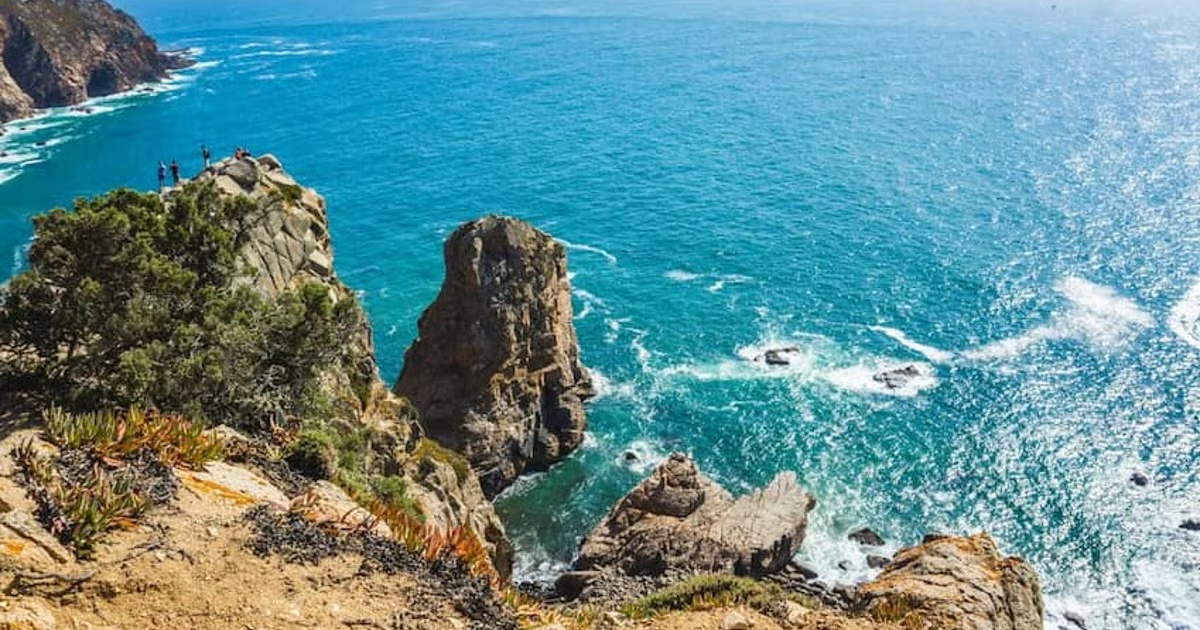
The Sintra day’s classic extension — or its own gentler loop — runs to the continent’s end. Cabo da Roca: the westernmost point of mainland Europe, a lighthouse on 140-meter cliffs where the land, in Camões’s line carved on the monument, ends and the sea begins. The mechanics are simple: the 403 bus links Sintra and Cascais over the cape, the wind is structural (jackets in August, dignity optional), and the cliff-edge paths beyond the barriers have claimed lives — the warning signs are earned, not decorative. Sunset here is the region’s best free spectacle for those timing the loop backward.
Cascais completes the arc: the fishing-town-turned-resort where exiled European royalty waited out the twentieth century, with the Boca do Inferno blowhole cliffs a short walk west, the old town’s tiled lanes and fish restaurants, and town beaches for the swim the cape denied. The Guincho beach between cape and town adds the wild-Atlantic surf version, wind farms of kitesurfers included.
The frame: the coastal train back to Lisbon along the Tagus mouth (Cascais–Cais do Sodré, 40 minutes, sea the whole way) closes the loop correctly — Sintra out by rail, cape by bus, coast home by train, one transit day-pass covering the lot.
Read the full Cascais day-trip page.
Óbidos — The Wedding-Gift Town
An hour north, Óbidos is the walled town Portuguese queens received as a wedding gift for six centuries, and it lives up to the romance: a complete medieval wall ringing whitewashed lanes trimmed in blue and yellow, bougainvillea doing structural work, and a castle-turned-pousada closing the composition.
The circuit: walk the full wall first — the unguarded rampart loop (real drops, real focus; not for the wobbling or the very small) reads every rooftop and the aqueduct striding off toward the hills — then descend into Rua Direita’s cheerful gauntlet and the lanes two streets either side where the town returns to itself. The Santa Maria church’s tiled interior and the porta’s azulejo shrine carry the art history in ten minutes each.
The ritual: ginjinha de Óbidos — the sour-cherry liqueur — served in an edible dark-chocolate cup for a euro or two at every third doorway; the combination is the town’s tax and worth paying twice. The calendar: the July medieval fair arms the whole town in costume and the December chocolate festival re-themes it; both convert the visit, chosen knowingly. The frame: a half day of pure charm, stretched by lunch — and paired naturally with Nazaré’s cliff-top funicular and giant-wave lore (season-dependent) or Alcobaça’s monastery for the full-day version north.
Read the full Óbidos day-trip page.
Évora — The Alentejo Capital
Ninety minutes east by train or car, Évora concentrates the Alentejo — the cork-and-wheat sea of southern Portugal — into one UNESCO city. The Roman temple stands first: fourteen Corinthian columns intact in the upper town, survivors of two millennia of reuse, floodlit at night into the region’s best free monument. The cathedral’s fortress bulk and rooftop walk read the plains to the horizon.
The Chapel of Bones asks its own register: the Capela dos Ossos, walled with the remains of some five thousand people by Franciscan monks as a memento mori — “we bones that are here, for yours we wait,” the lintel says plainly — is visited as the meditation it was built to be, not a novelty backdrop. Photograph modestly or not at all.
The living town: Praça do Giraldo’s arcades, the Alentejo’s food at its source — black-pork secretos, açorda, the region’s fat reds and the DOC whites that outrun their prices — and the cork economy in every shop, from the honest (whole-cork postcards) to the heroic (cork umbrellas). The stack: the Almendres Cromlech, fifteen minutes west down a dirt lane, predates Stonehenge by two millennia — ninety-odd standing stones in an olive grove, unfenced, unticketed, and somehow un-mobbed. The frame: the region’s best full day, and the one most likely to convert into an Alentejo detour on the next trip.
Read the full Évora day-trip page.
Arrábida & Sesimbra — The Limestone Coast
Forty minutes south across the Tagus, the Serra da Arrábida drops white limestone into water so green-blue the photographs read as filters: the coast road (the N379-1 over the ridge) strings viewpoints above Portinho da Arrábida’s crescent, where the sheltered bay swims calm, clear, and cold enough to keep it honest.
The mechanics: summer brings access rules to the Portinho road (seasonal restrictions and shuttle arrangements manage the tiny cove — check current arrangements before driving in July–August), the beaches south of the ridge (Figueirinha, Galapos) offer the parking the cove can’t, and the water is Atlantic-fed regardless of its tropical costume. Sesimbra anchors the west end: a working fishing town whose front-line restaurants grill the morning’s catch (the espadarte and choco frito arguments settle themselves), with the Moorish castle above for the free panorama.
The stack: Azeitão handles the inland hour — the tile-front wineries pour Setúbal’s moscatel in original azulejo cellars, with the sheep-cheese-and-tortas pairing as the region’s teatime — while Setúbal’s market and the Sado estuary’s resident dolphins (boat trips run year-round, sightings probabilistic and frequent) extend the day east. The frame: this is the beach-and-lunch exhale day, car-or-tour territory, and the correct sequel to Sintra’s engineering.
Read the full Arrábida & Setúbal day-trip page.
The Belém Line, the Tram Truth & Lisbon Itself
Belém’s mechanics: Jerónimos Monastery splits into the free church (Vasco da Gama’s tomb inside the door) and the ticketed cloister — the Manueline stone-rope masterpiece that justifies the queue it draws — booked online ahead in season; note free-entry Sundays for residents pack the site, so visitors do better any other day. The Belém Tower’s interior queue routinely outruns its reward (the exterior is the monument); the Padrão’s lift view and the MAAT’s riverside roof fill the margin. The pastry rule: Pastéis de Belém — the original, since 1837, secret-recipe custard tarts — runs its line fast, the take-away counter faster, and the cinnamon goes on at the table, not before.
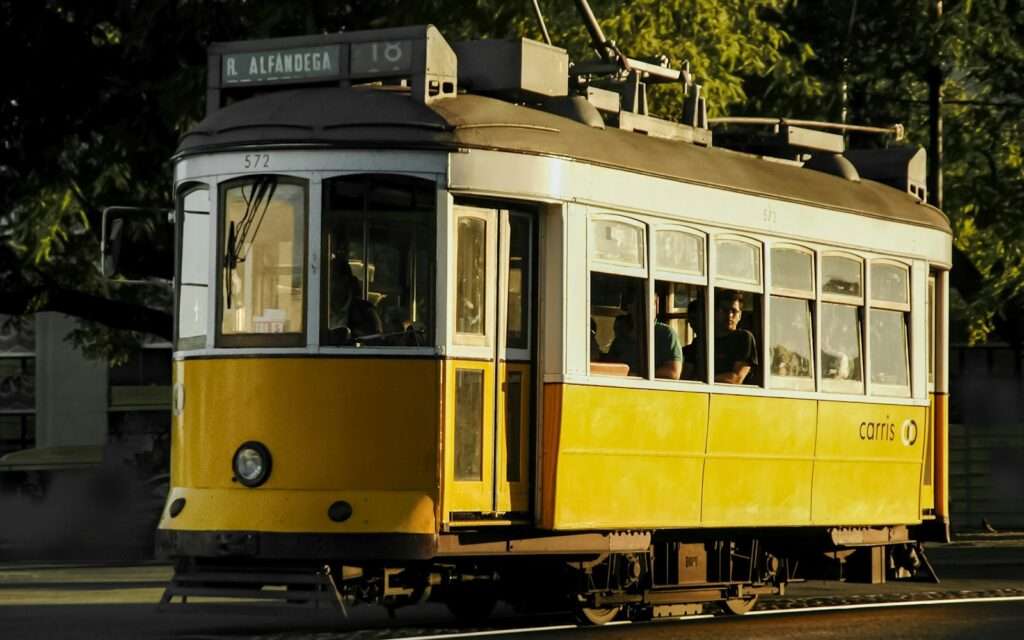
The tram truth: the 28 is a genuine historic route through Alfama and Graça and the city’s densest pickpocket habitat in one vehicle — ride it early morning or late evening with pockets zipped, or walk the same hills and keep your phone. The miradouro circuit (Senhora do Monte for the best light, Portas do Sol for the classic Alfama frame) delivers the views without the squeeze.
The living city: fado taken in Alfama or Mouraria at a casa where listening is the house rule (the singers will enforce it), bifanas and ginjinha as the standing-up food-and-drink pairing, the Time Out Market as the efficient graze and the Campo de Ourique market as the local one, and the LX Factory’s converted-industrial Sunday. Season math: April–June and September–October are the windows; August runs hot and half-shut as the city vacations; June’s Santo António festival grills sardines on every corner and reprices the month; and the light — the famous Lisbon light — is at its best in the golden hours off the river, which is when the miradouros live up to their names.
Full day-trip pages: Nazaré.
Frequently Asked Questions
How do Pena Palace tickets work?
Timed interior slots with an enforced thirty-minute entry window, booked on parquesdesintra.pt — peak mornings sell out days ahead, walk-up queues run to three hours, the palace closes Tuesdays, and the Lisboa Card isn’t valid. The free-reschedule policy makes booking early risk-free.
How many Sintra sights fit in one day?
Two, honestly — Pena plus the Moorish Castle, Quinta da Regaleira, or Monserrate. First train, first slot, ridge before eleven; the 434 loop bus handles the hill, and travesseiros at Piriquita handle everything else.
Is Cabo da Roca worth it?
Yes — mainland Europe’s westernmost cliff, linked to Sintra and Cascais by the 403 bus, with wind as a permanent feature and cliff-edge warnings that mean it. Time it for sunset and take the coastal train home from Cascais.
What is the Chapel of Bones?
Évora’s Franciscan memento mori — a chapel walled with the remains of some five thousand people, built for meditation on mortality and visited in that register. Pair it with the Roman temple, the Alentejo table, and the Almendres standing stones.
Is the number 28 tram safe?
The route is; the crowd is the risk — it’s the city’s densest pickpocket habitat at midday. Ride at the day’s edges with zipped pockets, or walk the same Alfama hills and collect the miradouros instead.