Cascais by Train
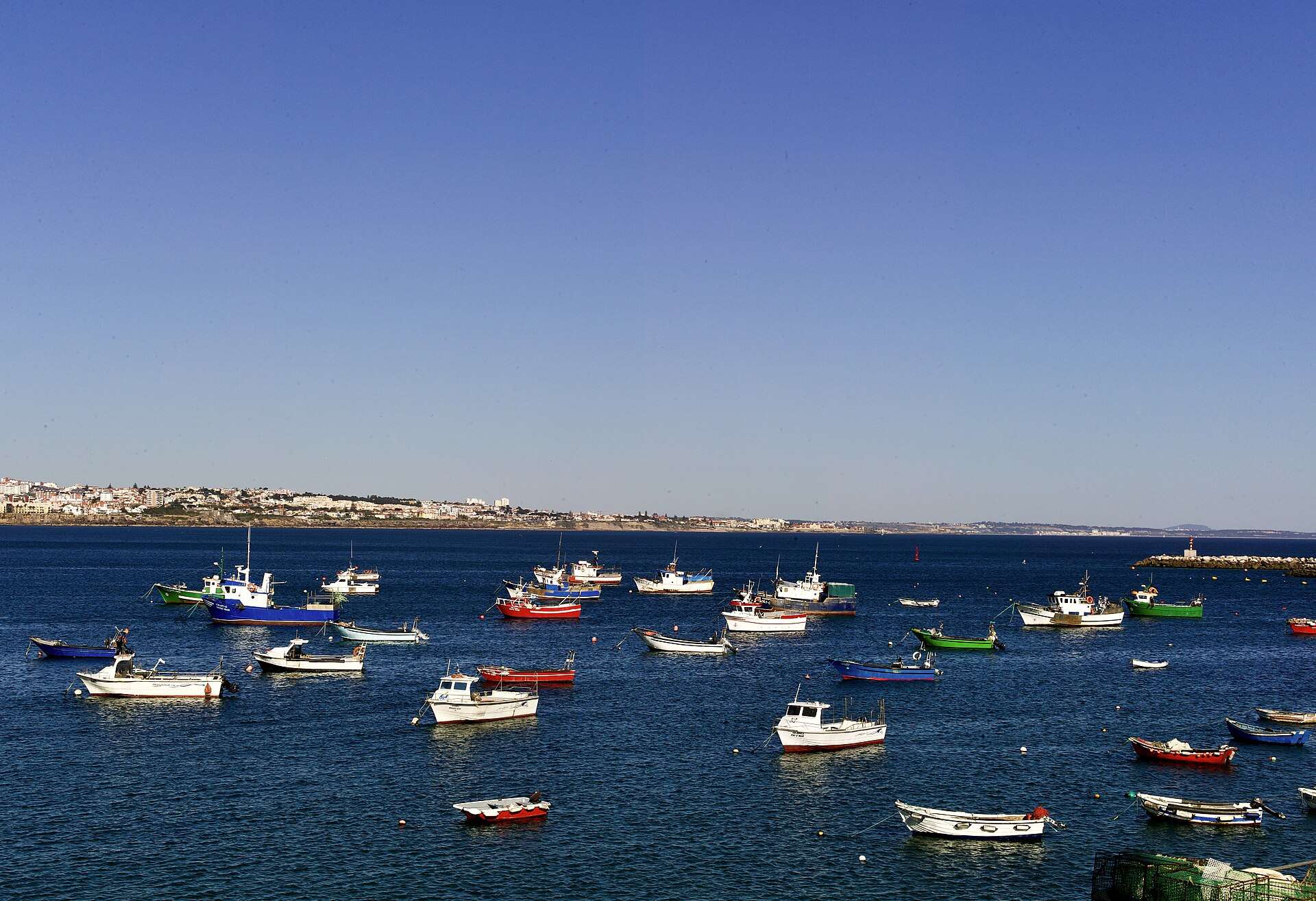
Forty minutes of track laid along the water, ending in a fishing town that upgraded itself to resort without losing the plot.
The short version
- Trains leave Cais do Sodré every twenty minutes for the 40-minute run to Cascais, paid with a transit-card tap for small change; times at cp.pt.
- The old center keeps its fishing-town bones under the resort finish: patterned pavements, the fish market’s afternoon auction, and beaches folded right into town.
- Boca do Inferno — the collapsed sea cave that performs in big swells — sits twenty minutes’ walk along the cliff path west of the marina.
- Casa das Histórias Paula Rego, in its pyramid-towered building, shows Portugal’s fiercest modern painter properly and briefly.
- Guincho beach, a few kilometers further by bus or bike, is the wild Atlantic version: dunes, surf schools, and the wind that made it a world windsurfing venue — a swimming beach only for the brave.
- The paredão seafront promenade runs back east toward Estoril past coves and pools — the flattest, easiest hour of coastline walking Lisbon has. Town details at visitcascais.com.

Getting there
The Cascais line is Lisbon’s best value scenic ride: out of Cais do Sodré, under the bridge, past Belém’s monuments, and then shoreline the rest of the way. Trains run every twenty minutes into the night, no bookings exist, and the transit card that rides Lisbon’s trams covers it. That frequency is the day’s luxury — no schedule to respect beyond your own.
The day
Walk the old town first: the rag-stone lanes behind the town beaches, the citadel and marina, coffee where the fishermen’s chapel meets the resort economy. Take the cliff path west past the lighthouse museum to Boca do Inferno — dramatic in swell, a pleasant cliff walk regardless — with the Paula Rego museum on the loop back. Lunch on grilled fish near the market, then choose your afternoon: town-beach swimming in the calm bays, the bus out to Guincho’s dunes and wind, or the paredão stroll toward Estoril with a pool stop. The train home neither knows nor cares when you finish.
When to go
May, June, September, and October give warm days without the August crush; the Atlantic here stays swimmable well into autumn for the acclimatized. July and August work on the early-train plan. Winter Cascais is a legitimate destination in its own right — mild, bright, and local again, with the big-swell season turning Boca do Inferno honest. Guincho’s wind is a year-round citizen; plan that beach for lounging only on the rare still day.
Frequently Asked Questions
Cascais or Sintra, with one day?
Different products: Sintra is palaces, forests, and timed tickets; Cascais is coast, seafood, and zero bookings. Energy and weather should decide — Cascais wins the hot day, Sintra the misty one.
Can I combine Cascais and Sintra?
A bus links Cascais to Sintra via Cabo da Roca, so the loop exists — but Sintra’s palaces demand hours and pre-booked slots. Doing both properly is an overstuffed day; doing both lightly works.
Are the town beaches good?
Small, calm, and genuinely pleasant — family swimming rather than surf drama. For sand at scale, ride the twenty minutes more to Guincho and respect its currents.
Is Boca do Inferno oversold?
In flat summer seas, it is a nice arch. In an Atlantic swell the name makes sense. The cliff walk that takes you there is worth it either way.
How is the food?
This is one of greater Lisbon’s best eating towns: market-adjacent fish grills, old tasca holdouts, and marina polish. Book only the famous ones; walk into the rest.