A Day in Óbidos
A completely walled white town on a hill — walkable ramparts, one flower-hung main street, and cherry liqueur sold in edible cups. The bus from Lisbon takes an hour and the walls take nerve.
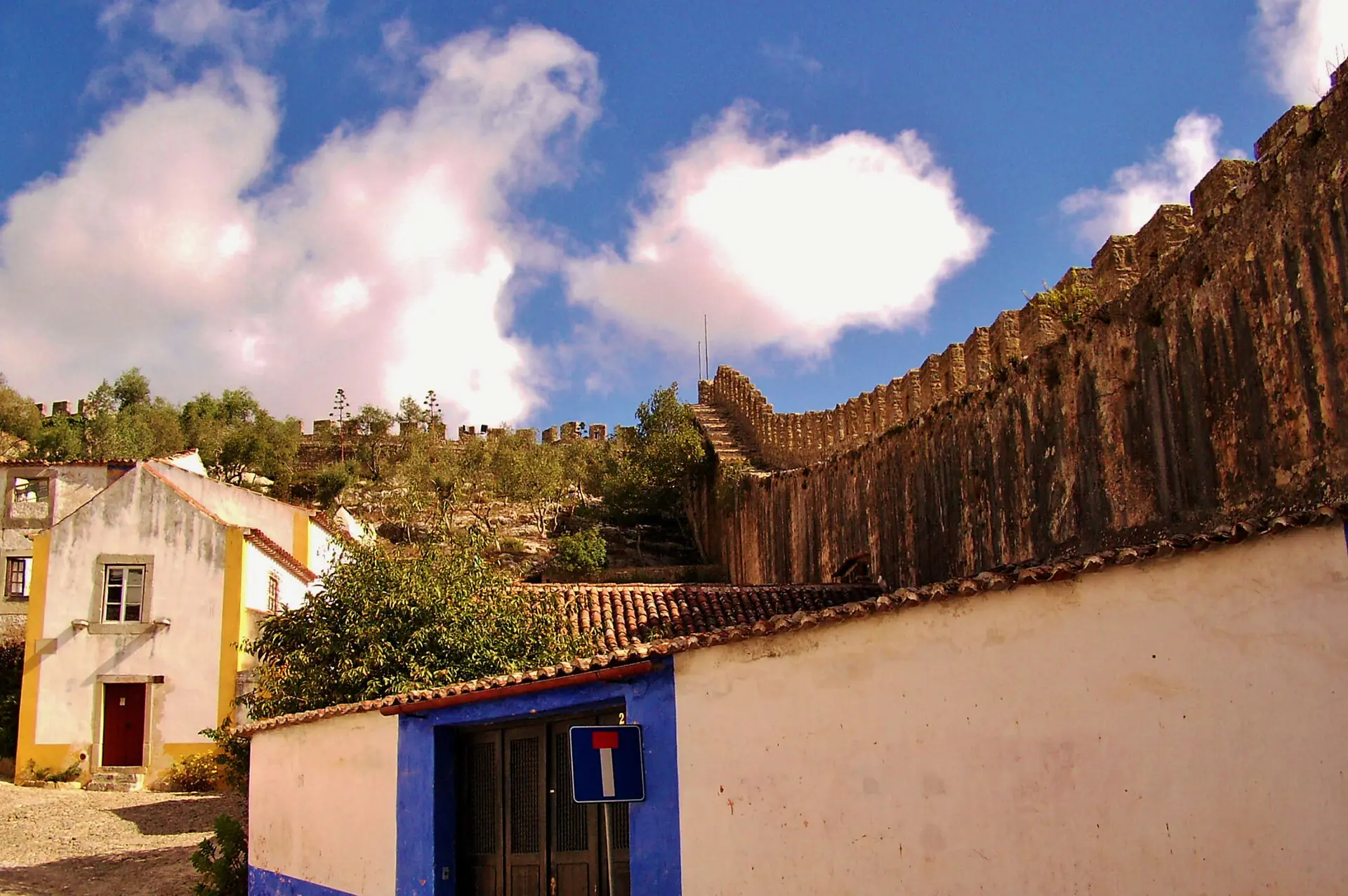
The short version
- Direct buses leave Lisbon’s Campo Grande terminal roughly hourly for Óbidos, about 60 minutes each way — turn up, buy aboard or at the kiosk, and note the day’s last return.
- The town is a complete medieval enclosure: the full wall circuit runs about 1.5 km of unprotected rampart top with the lagoon and windmill country below — free, spectacular, and exactly as exposed as the alarm says.
- Rua Direita, the flower-and-whitewash main street, carries the shops, the ginjinha counters, and the crowds in one channel; the parallel lanes hold the quiet town.
- Ginjinha de Óbidos — sour-cherry liqueur — pours for a euro or two into chocolate cups you eat afterward; the town’s signature transaction and better than it needs to be.
- The castle at the top is now a pousada — a hotel, not a sight — which keeps the walls themselves as the town’s true monument.
- Óbidos wears a UNESCO literature-city badge: bookshops colonize a church, a market, and shelves in half the shops — the browse is part of the visit; town calendar at obidos.pt.

Getting there
The Campo Grande bus is the whole plan: hourly-ish departures, an hour’s motorway, and a stop at the aqueduct outside the town gate. The last return leaves earlier than optimists assume — read the posted board on arrival, per the alarm. Drivers park below the walls and climb in. The Lisbon day-trip triangle crowd pairs Óbidos with Nazaré or Fátima by tour; the bus version keeps it a clean, cheap half-day-plus that leaves Lisbon’s evening intact.
The day
Enter through the azulejo-lined main gate and go against instinct: take the wall stairs immediately, before the tour groups condition your nerve, and walk the circuit while the morning is calm — the town below, the vineyards and windmills beyond, and the narrow stretches negotiated with the respect they charge. Descend into the lanes: the church where a ten-year-old queen was married, the bookshop-in-a-church, the pillory square. Rua Direita’s ginjinha-and-chocolate protocol handles the mid-visit ritual, and lunch runs from pastry counters to proper Portuguese tables in the side lanes. Three unhurried hours covers the town; the bus schedule sets the rest.
When to go
Spring and early autumn give the walls their weather and the lanes their breathing room. July’s medieval fair arms the town with jousts, stalls, and costumed crowds; December converts it into Vila Natal, a Christmas-town production — both are commitments to spectacle rather than quiet, chosen deliberately. August is hot on the exposed ramparts by noon. The chocolate festival in spring does what it promises. Midweek, any season, the town before 11am is residents and early buses — the version worth aiming for.
Frequently Asked Questions
Is the wall walk actually dangerous?
It’s an unmodified medieval rampart: narrow in stretches, uneven, and unrailed on the drop side — treated soberly it’s fine for the sure-footed, and thousands walk it daily. The alarm’s shoe-weather-children rules are the entire safety briefing.
How long does Óbidos need?
Three to four hours sees walls, lanes, and lunch without hurry — it’s a half-day town by honest measure. Festival weeks stretch it; the bus schedule brackets it.
Is the ginjinha tourist bait?
It’s both traditional and touristed — the cherry liqueur predates the marketing, and the chocolate cup improves it. A euro or two settles the question better than analysis.
Óbidos or Sintra with one spare day?
Sintra is the bigger, booked, palace-dense day; Óbidos is the smaller, free-form, no-tickets one. If Sintra’s already done, Óbidos is the natural next; if neither, Sintra first.
Can I combine Óbidos with Nazaré?
Buses link the two for the DIY ambitious, and tours bundle them daily — big-wave lookout plus walled town makes a full contrasting day. Check the connection times before committing; the DIY version has thin margins.